
Better products start with better materials.
What is PHA?
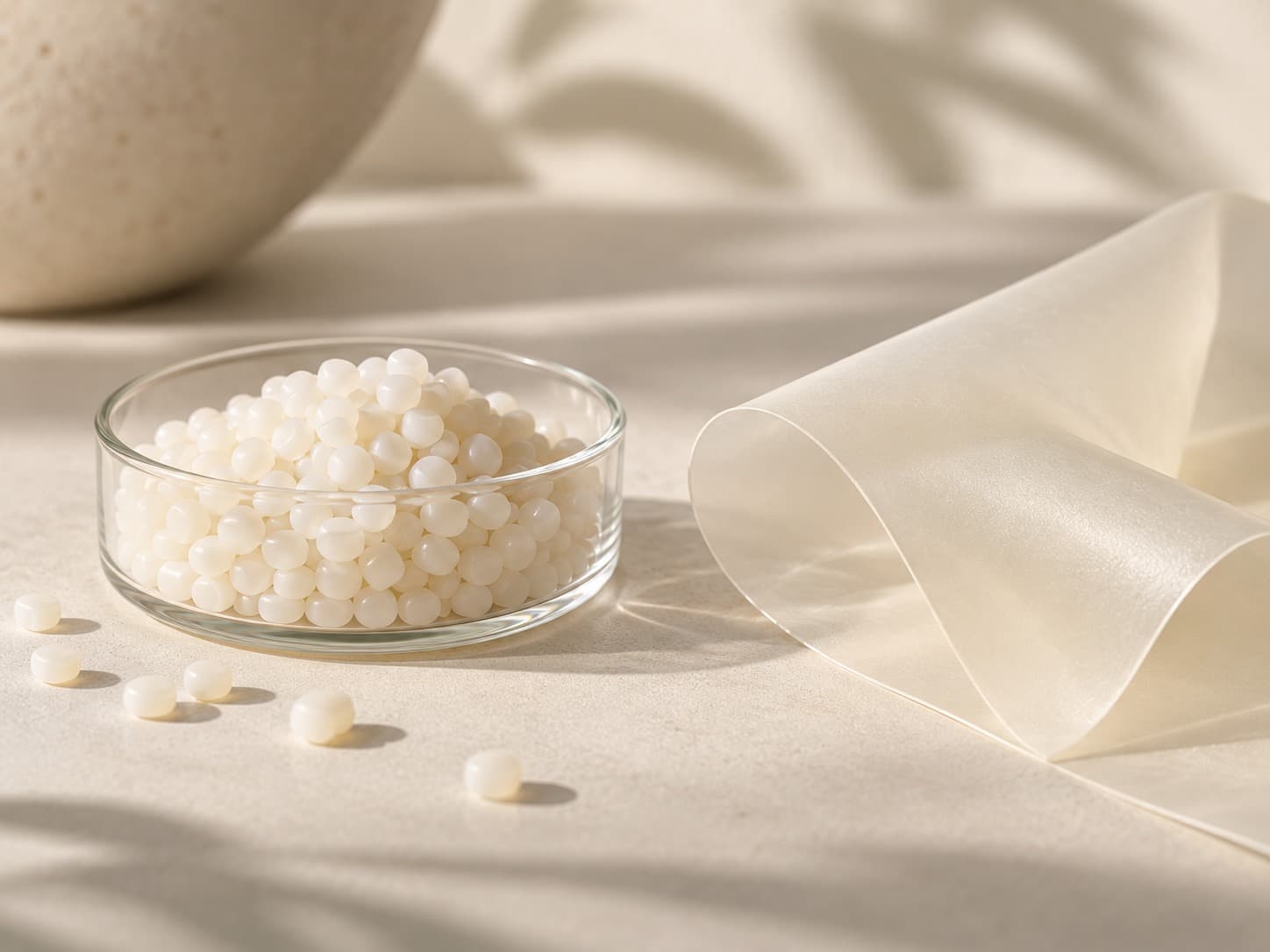
Polyhydroxyalkanoates — PHA — are a family of biopolymers produced by microorganisms through biological processes such as fermentation. In nature, microorganisms can produce PHA as a way of storing energy.
What makes PHA especially interesting is its potential to combine useful material performance with different end-of-life pathways from conventional plastics. Those outcomes depend on the formulation, finished product, and conditions in which it is disposed of.
PHA is one of the material families Earthline is focused on as we build our foodservice portfolio, with each product evaluated around performance, practicality, and credible end-of-life options.
How we evaluate finished products
Performance comes first
A better material still has to work in the real world. We evaluate product options around the demands of foodservice - including heat, moisture, handling, and everyday use.
Claims belong to products, not materials
Terms like "bio-based" or "biodegradable" do not automatically describe the finished product. Claims should be tied to the specific product, configuration, testing, and certification that support them.
End-of-life matters from the start
We consider credible end-of-life pathways when evaluating products and materials. Where home compostability is supported by the finished product and its certification, we highlight it.

How we talk about claims
- Compostability claims belong to specific finished products and certifications — not materials in the abstract.
- Performance claims should be tied to real product testing.
- We avoid blanket slogans such as "zero waste" or "plastic-free" when they oversimplify the product story.